







Search Results for: roasting techniques
A Detailed Guide to Pour-Over Coffee Extraction Techniques: A Complete Guide to Grind Size, Coffee-to-Water Ratio, and Water Temperature Parameters
Pour-over coffee seems simple, but in reality it involves countless variables—from the roast level of the beans to the coarseness of the grind, from water temperature to pouring technique, every step affects the final flavor. This article systematically breaks down the core technical points of pour-over coffee: grinding coarseness and water temperature strategies for different roast levels, the key techniques for stable circling and gentle pouring, when to use the water-interruption technique, and how to judge whether extraction is even by observing the state of the coffee bed. Whether you're a beginner just starting out or an enthusiast looking to refine your technique, you'll find practical guidance here. [more…]
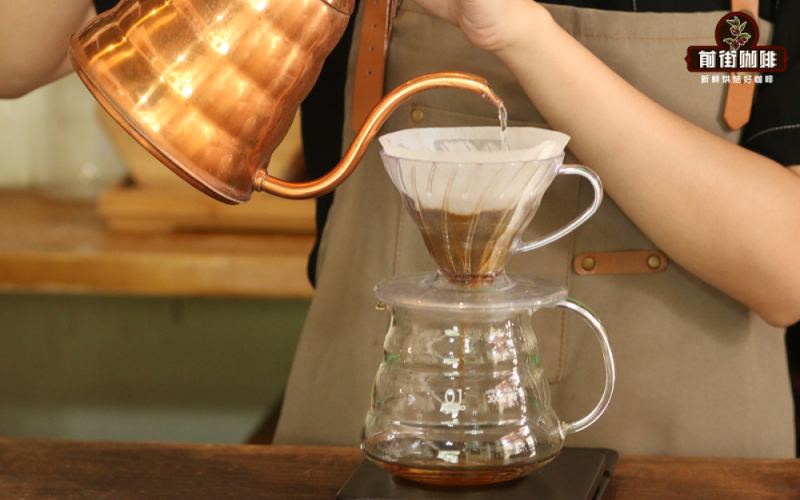
Coffee brewing technique tutorial | What are the technique and extraction principles of the three-pour method for pour-over coffee? Why is the hot water for brewing coffee divided into three pours?
Front Street Coffee (FrontStreet Coffee) entered the coffee industry in 2013, and has come step by step from coffee cultivation and coffee roasting to coffee service. Today, the more than 30 coffee beans displayed in the shop are only Front Street Coffee (FrontStreet Cof [more…]
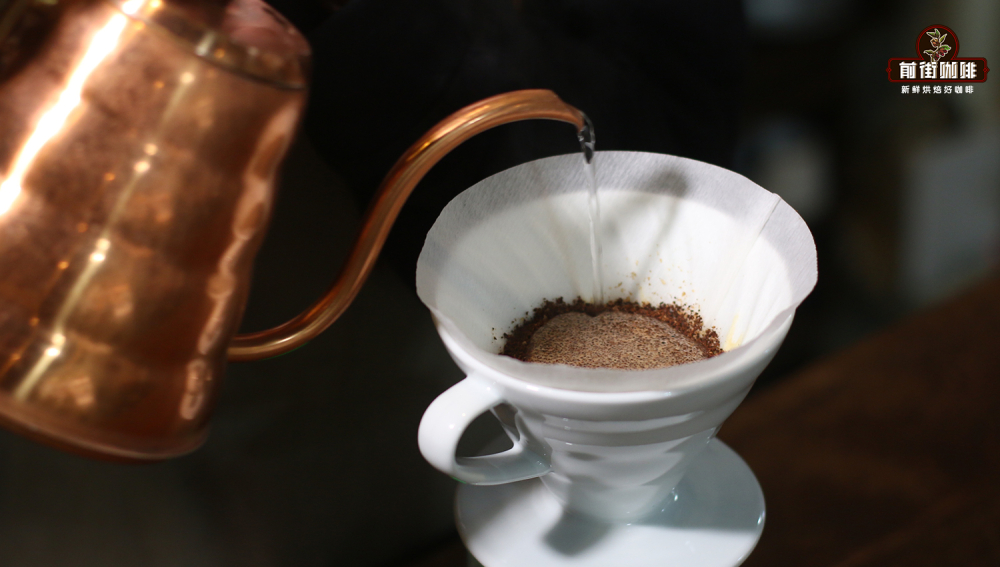
Single-Serve Pour-Over Coffee Method | What Is Gold Cup Extraction Yield? Which Brewing Technique Suits Coffee Beginners? Pros and Cons of the Drip Method, Volcano Pour, and One-Pour Technique
Front Street Coffee encounters customers asking about pour-over coffee every day, whether it's about what pouring technique should be used for pour-over coffee, or how much coffee grounds to use for pour-over coffee. In fact, with the development of coffee culture, more and more people no longer think of coffee as [more…]
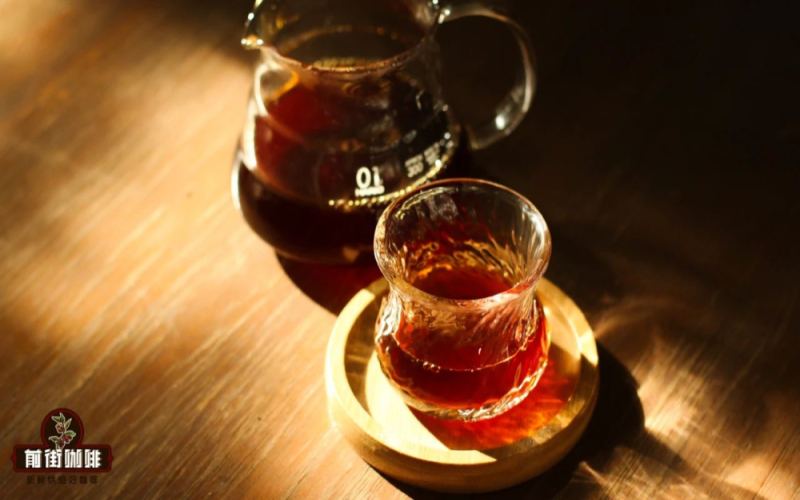
Master the Five Techniques and Four Key Parameters of Pour-Over Coffee: A Quick Guide to Elevate Your Brewing Skills
With the rise of the third wave of coffee, pour-over coffee has attracted many enthusiasts with its ritualistic brewing process. However, many people feel that the flavor they brew at home is not as good as in coffee shops, yet they don't know how to adjust the blooming time, grind setting, pouring method, or water temperature. In this article, Front Street Coffee starts from the four major elements of water temperature, grind coarseness, coffee-to-water ratio, and pouring technique, systematically explaining how to brew a good pot of coffee, and breaks down in detail five practical techniques—three-stage pour, stirred bloom, Japanese drip method, single-pour method, and volcanic pour—to help you consistently reproduce your ideal flavor at home. [more…]
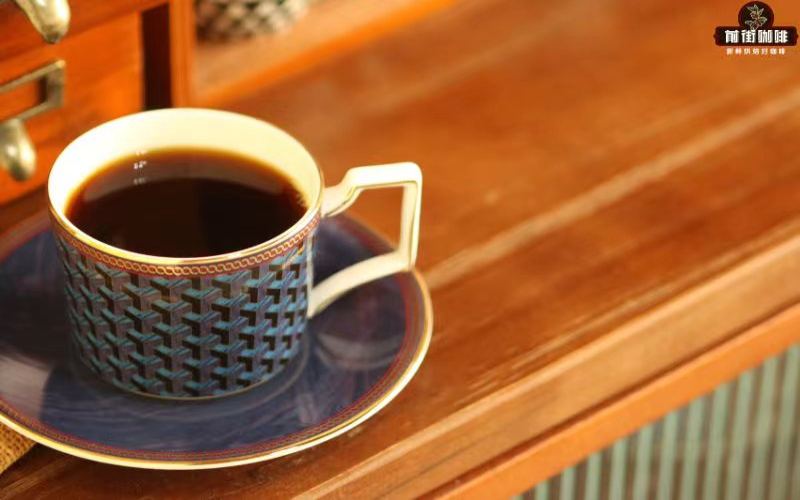
A Complete Guide to Mandheling Pour-Over Techniques: How to Fully Unleash the Flavors of a Dark Roast Through Parameters and Technique
Mandheling is a regular on the bean list of specialty coffee shops, and Front Street Coffee is no exception, offering everything from everyday drinking beans to Golden Mandheling and Tiger Mandheling, all the way to aged and natural versions. But many people are not satisfied with the flavor presentation of pour-over Mandheling—how should this dark-roasted bean be brewed to highlight its distinctive full body, herbal, chocolate, and caramel notes? This article starts from Front Street Coffee's actual production experience, first clarifying the origin of the name Mandheling and the classification of the Sumatra producing region, then comparing the flavor differences between Golden Mandheling and Lintong Mandheling, and finally providing the dripper choice, coffee-to-water ratio, water temperature, grind size, and staged extraction technique suitable for dark-roasted beans, to help you consistently brew a cup of Mandheling with layered complexity and a long-lasting sweet finish at home. [more…]
Pour-Over Coffee Beginner's Guide: A Full Breakdown of Water Temperature, Grind Size, Coffee-to-Water Ratio, and Five Classic Pouring Techniques
The charm of pour-over coffee lies in having every step under your own control, yet many enthusiasts feel that their home brews always fall short of the taste they get at a coffee shop. In this article, Front Street Coffee explains four dimensions—water temperature, grind size, coffee-to-water ratio, and pouring technique—and introduces five classic pour-over methods in detail: the three-stage pour, the stir-and-bloom method, the Japanese drip method, the single-pour method, and the volcano pour. It also analyzes the causes of failed extractions and directions for improvement. Whether you are a beginner just getting started or a veteran looking to refine your technique, you will find practical advice here. [more…]
Pour-Over Coffee Brewing Parameters and Technique Adjustment Guide: From Extraction Principles to Front Street Practical Case Analysis
In the composition of coffee flavor, variety cultivation, roasting, and brewing each carry different weight, and although the brewing stage accounts for only ten percent, it is the only part that enthusiasts can actively control. Starting from this industry consensus, this article systematically explains how to adjust water temperature, pouring strategy, and grinding parameters to bring out a performance from a bean that better suits personal preference, without changing the flavor direction of the coffee bean itself. Using Front Street Kenya Asalia and Front Street Ethiopia COE#22 as examples, the article concretely demonstrates how to shift flavor from bright acidity to pronounced sweetness, and from heavy fermentation to a light berry tonality, by changing the three-pour ratio, blooming water volume, and pouring technique, helping readers understand the extraction logic behind brewing adjustments. [more…]
The Complete Guide to Grinding and Brewing Dark Roast Coffee Beans: A Detailed Explanation of Coffee-to-Water Ratio, Time, Dripper, and Pouring Techniques
Deep-roasted coffee beans are loved for their rich, full-bodied taste and complex flavors of chocolate, caramel, and spice. But brewing a delicious cup of dark roast coffee requires attention to every detail, from grind size and coffee-to-water ratio to dripper selection and pouring technique. Using the highly cost-effective Front Street Queen's Estate as an example, this article explains in detail the brewing parameters and techniques for dark roast coffee, including how to avoid a thin body by adjusting the ratio, how to judge the extraction state based on brewing time, why dark-roasted beans are better suited to the Kono dripper rather than the V60, and why you should avoid washing down the walls of the cup when pouring. Whether you are a beginner just getting into pour-over or a coffee enthusiast looking to refine your skills, this tutorial can help you more fully extract the rich flavors of dark-roasted beans. [more…]
Where Does the Sweetness of Black Coffee Come From? An Analysis of Roast Types and Pour-Over Extraction Techniques That Affect Sweetness
Many people believe that black coffee is only bitter and sour, but a good cup of coffee can indeed deliver a surprisingly sweet sensation. This sweetness does not come from sugar detected by taste, but from sweet aromas perceived through the sense of smell. Sucrose in green coffee beans is converted into substances such as caramel during roasting, and different roast levels present completely different types of sweetness. Front Street divides sweetness by roast level into the honey-fruit type, the chocolate-dried-fruit type, and the dark-roast sweet-aftertaste type, and recommends corresponding coffee beans for each. In addition, by adjusting the pouring technique and extraction rhythm of pour-over brewing, the sweetness of coffee can also be effectively enhanced. This article will systematically analyze the sources of coffee sweetness, the differences in sweetness across roast levels, and the brewing techniques that Front Street has summarized in practice. [more…]
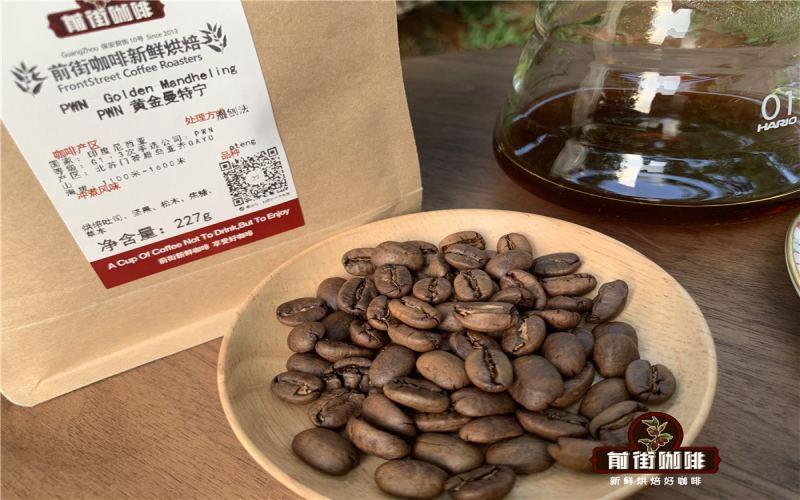
PWN Golden Mandheling Pour-Over Technique Explained: Is It Suitable for Brewing Before the Resting Period Is Complete?
Golden Mandheling, as a representative of Indonesian specialty coffee, is favored by coffee enthusiasts for its mellow, clean taste and long-lasting finish. But to brew an ideal cup of Golden Mandheling at home, besides choosing the right beans, you also need to master key parameters such as water temperature, grind size, coffee-to-water ratio, and pouring technique. At the same time, many friends ask: if the coffee beans haven't passed their resting period yet, can they still be brewed? In this article, Front Street will focus on PWN Golden Mandheling coffee beans, breaking down everything from the bean's background and processing method to the three-pour brewing technique, and explaining the relationship between the resting period and coffee flavor, to help you more confidently enjoy a good cup of coffee at home. [more…]
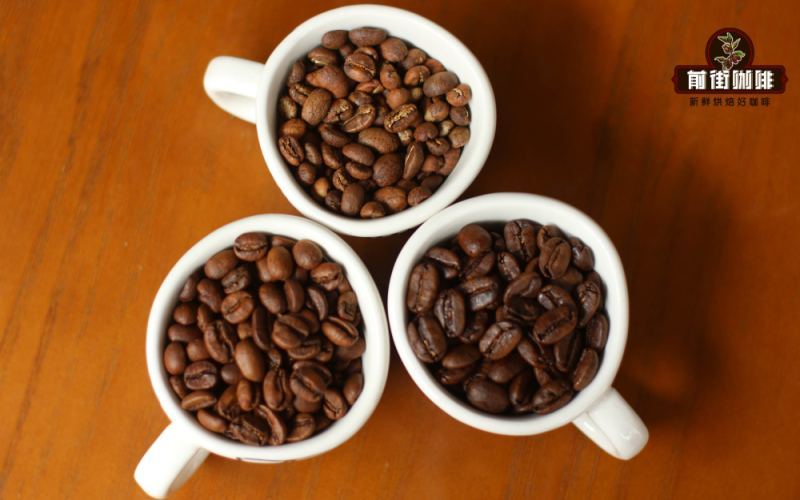
Advanced Pour-Over Guide: A Breakdown of Grind, Water Temperature, and Pouring Techniques for Dark Roast Single-Origin Coffee
Many coffee enthusiasts hold a prejudice against dark roast beans, believing that the burnt bitterness masks the floral and fruity acidity that specialty coffee should have. However, dark roast beans are not doomed to taste bad—as long as you master the right brewing strategy, they can equally present a rich, full-bodied flavor with a long-lasting finish. Front Street Coffee will, drawing on years of experience, systematically sort out the key points for brewing dark roast single-origin coffee, from grind size, water temperature control, and coffee-to-water ratio to pouring technique. The article also uses [Front Street Jamaica Blue Mountain] as an example, providing specific parameters and operating steps to help you avoid over-extraction and bitterness, and unlock the chocolate, caramel, and lingering sweet aftertaste of dark roast beans. [more…]
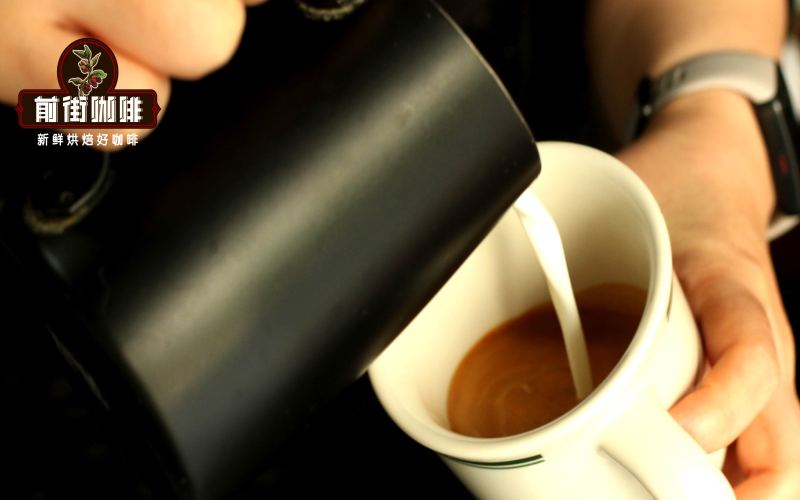
How to Choose Espresso Beans for Latte Art? A Complete Guide to the Advantages of Dark Roast Beans, Front Street Coffee Blend Recommendations, and Milk Frothing Techniques
Want to pour beautiful latte art? Choosing the right coffee beans is only the first step. Different espresso blends influence the flavor direction of the coffee base, while the oil content and roast level are the real keys to determining how easy it is to work with when pouring latte art. This article starts with the selection criteria for latte art beans, then discusses the advantages of medium-dark roasted espresso blends in terms of crema and aroma, and recommends several products: Front Street Black Cocoa, Grana Geisha SOE, Classic Blend, and Commercial Blend. After that, it breaks down the two stages of steaming milk—aeration and texturing—explains clearly why the pouring technique matters, and finally provides an efficient practice path from fresh milk to water and then to real-world application, helping you avoid detours. [more…]
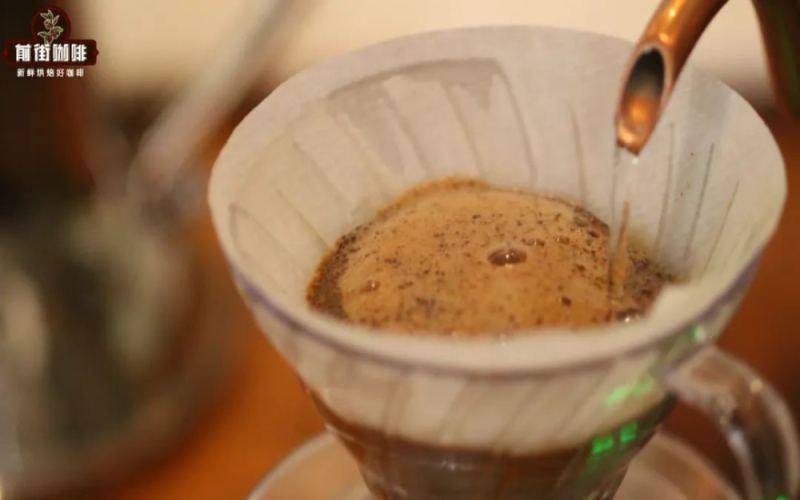
Pour-Over Coffee Fast Circular Water-Slinging Pouring Method: A Full Analysis of Its Advantages, Hidden Risks, and Suitable Bean Types
In the pouring techniques of hand-brewed coffee, the fast circular swirl pour is a controversial yet frequently seen aggressive method in competitions. It uses centrifugal force to fling the water outward, accelerating the tumbling of the coffee bed, thereby improving extraction efficiency and even helping to form a coffee wall that locks in flavor. However, this technique demands extremely high control from the operator; a slight mistake can lead to uneven extraction of the coffee bed and imbalanced flavor. Front Street Coffee will objectively analyze the pros and cons of the swirl pour in this article, and, in conjunction with coffee bean quality, roast level, and the differences between competition beans and everyday beans, explain why beginners are not advised to blindly imitate it. The article will also point out that the pouring technique is only one part of the brewing parameters and must be coordinated with grind size, water temperature, and other factors to be effective. [more…]
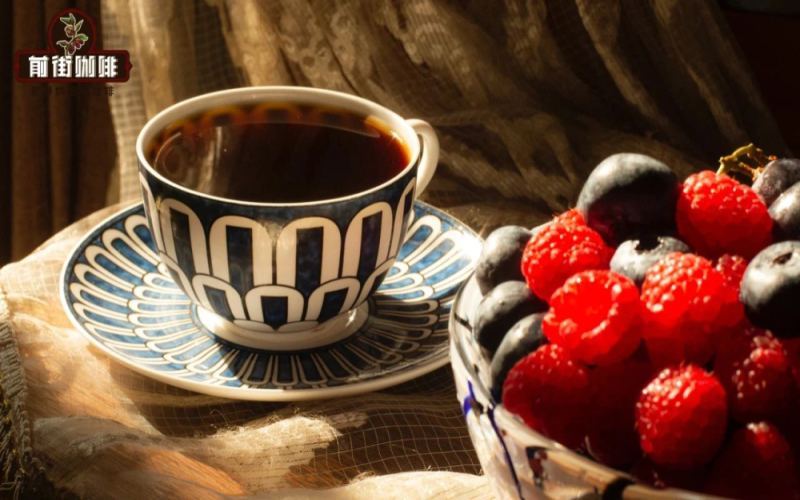
What Exactly Is the Full-Bodied "Body" of Coffee? An In-Depth Analysis of Full-Bodied Coffee Types and Brewing Adjustment Techniques
People often describe a cup of coffee as "rich, mellow, and sweet," but what exactly do "rich" and "mellow" mean? This article starts from the roast level of coffee beans, analyzing how the full-bodied mouthfeel manifests in the mouth, and recommends several Front Street Coffee beans with a full-bodied flavor, including Golden Mandheling, Queen's Estate, and Colombia Huila. At the same time, it offers practical adjustment solutions across four dimensions—coffee-to-water ratio, brewing time, dripper selection, and pouring technique—to make dark-roasted coffee taste thicker, helping coffee enthusiasts solve the problem of brewed coffee turning out too thin. [more…]
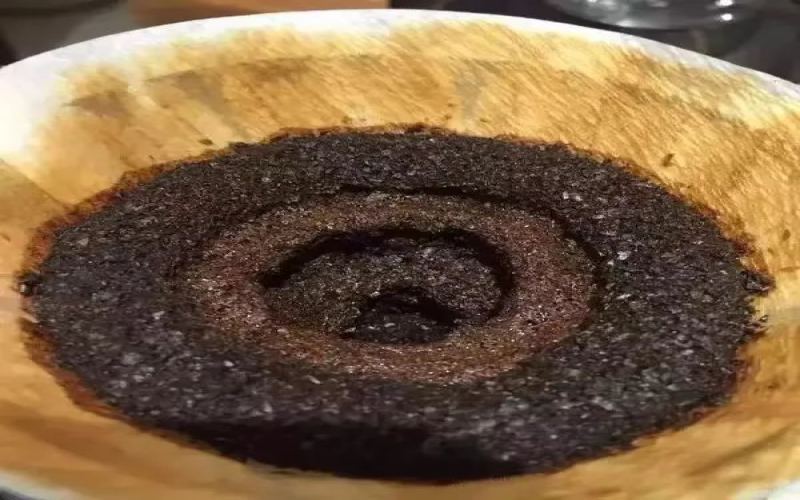
Meteor Pour-Over Method Explained: Hand-Brew Techniques and Parameters for Dark-Roasted, Intense, Bitter Coffee Beans
Deep-roasted coffee beans, due to their fluffy texture and strong water absorption, release a large amount of gas when they come into contact with water in their fresh state, which provides the conditions for a unique brewing method—meteor pour. This article provides a detailed introduction to the principles and operational steps of this pour-over technique, including key parameters such as grind size, water temperature, and coffee-to-water ratio, as well as the pouring details of the three stages: blooming, point pouring, and outward spiral. Front Street Coffee has pointed out that in a conical dripper, the coffee bed is thicker in the center, and pouring water in the center can extract a richer coffee liquid, so this method is especially suitable for medium-dark roasted beans and can highlight a rich, full-bodied taste. If you want to try a different pour-over experience, you might as well give it a try by following the steps. [more…]
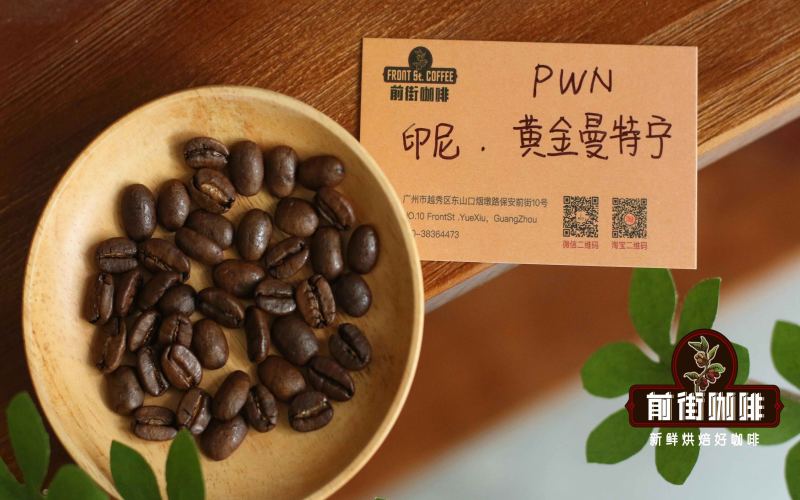
The Complete Guide to Indonesian PWN Golden Mandheling Pour-Over: Parameters, Technique, and Flavor Analysis
The Golden Mandheling produced by Indonesia's PWN company has always been the benchmark among Mandheling coffees, yet many coffee enthusiasts find it difficult to replicate the taste they enjoy in cafés after buying the beans. Drawing on Front Street Coffee's hands-on experience, this article systematically breaks down the seven key elements of pour-over brewing for Golden Mandheling, covering bean freshness, grind size, water temperature, water quality, dripper selection, coffee-to-water ratio, and brewing time, while detailing each step of the three-stage pouring technique. It also provides Front Street's specific brewing parameters and flavor description for this medium-dark roasted bean, helping you brew a cup of Golden Mandheling that is rich, clean, and layered with complexity. [more…]
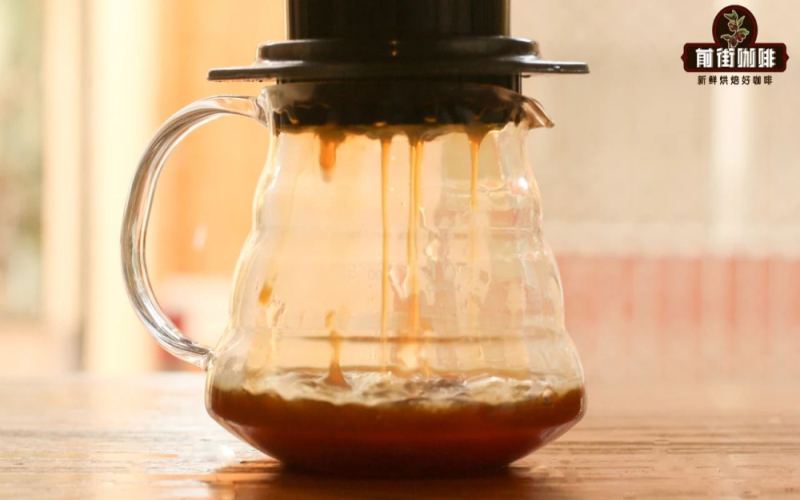
Is an AeroPress suitable for Mandheling coffee? A detailed guide to brewing parameters and techniques for medium-dark roasted beans
The AeroPress sits between pour-over and espresso, with a low barrier to entry and consistent results, but if you want to fully bring out the flavors of medium-dark roasted beans, you still need to master key variables such as grind size, water temperature, time, and stirring. This article focuses on Front Street Coffee's AeroPress coffee beans, outlining the approach to selecting beans for both light roasts and medium-dark roasts, and provides recommended coffee-to-water ratios, blooming rhythm, the cross-stirring technique, and water temperature suggestions of 80 to 90°C, helping coffee enthusiasts find a brewing method that suits them in the balance between acidity and sweetness and a rich, full-bodied taste, while also answering the question of whether medium-dark roasted beans such as Mandheling can be used in an AeroPress. [more…]

Hiroshi Fujioka-style Chasen Pour-Over Coffee: An Alternative Extraction of Japanese Dark Roast Beans and the Fusion of Matcha Techniques
This time Front Street is going to share a rather unusual brewing method—it breaks out of the framework of conventional pour-over and grafts the matcha whisking technique from Japanese tea ceremony onto coffee extraction. The person who created this "Way of Coffee" is none other than Hiroshi Fujioka, star of the original Kamen Rider. He favors Peruvian beans, Japanese-style dark roast, and coarse grinding, pouring water in a steady drip throughout, then using a chasen to whisk the coffee liquid into a dense foam. Front Street couldn't resist trying it out personally, recreating it once with a medium-dark roasted Blue Mountain bean. What kind of aroma and mouthfeel can this method actually bring? And why must it be drunk against the clock? The following will reveal all. [more…]
Wuyi Rock Tea vs. Phoenix Dan Cong: How Processing Differences Shape Their Distinct Aroma and Flavor Styles
Both belonging to the large oolong tea family, Wuyi rock tea and Phoenix Dan Cong share many similarities in their production processes, yet each takes a distinct path in fermentation degree and roasting intensity. Rock tea leans toward emphasizing body and seeking aroma, while Dan Cong excels at emphasizing aroma and seeking body. The former undergoes more thorough and complete leaf shaking, while the latter is relatively lightly processed, resulting in a significant divergence in mouthfeel richness and aromatic expression. This article will systematically break down the primary and refining processes of both, and deeply analyze how key techniques such as double pan-firing and double rolling, and slow simmering over low heat, impart rock tea its unique character, while also revealing the logic behind Phoenix Dan Cong's light fermentation and light roasting that highlights floral aromas. Whether you are a rock tea devotee or a Dan Cong enthusiast, you will gain a clear understanding of the craftsmanship. [more…]
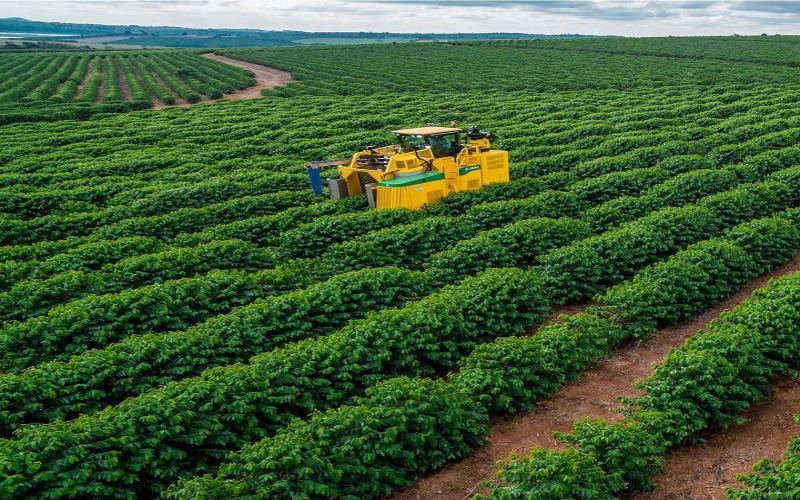
A Detailed Guide to Brazilian Coffee Bean Pour-Over Techniques: Discussing Extraction Parameter Settings from the Perspective of Front Street Queen Estate
Brazil is the world's largest coffee producer, and its coffee beans are renowned for their balanced sweetness and nutty notes, making them highly favored by pour-over enthusiasts. This article uses Front Street Coffee's Brazil Queen Estate coffee beans as an example, breaking down the flavor formation from terroir and variety characteristics to processing method one by one, and systematically explains the four core parameters of water temperature, grind size, coffee-to-water ratio, and brewing technique, providing a pour-over recipe that can be directly referenced. Whether you are a beginner just getting into pour-over or an enthusiast looking to refine your technique, you will find clear operational guidance here. [more…]